

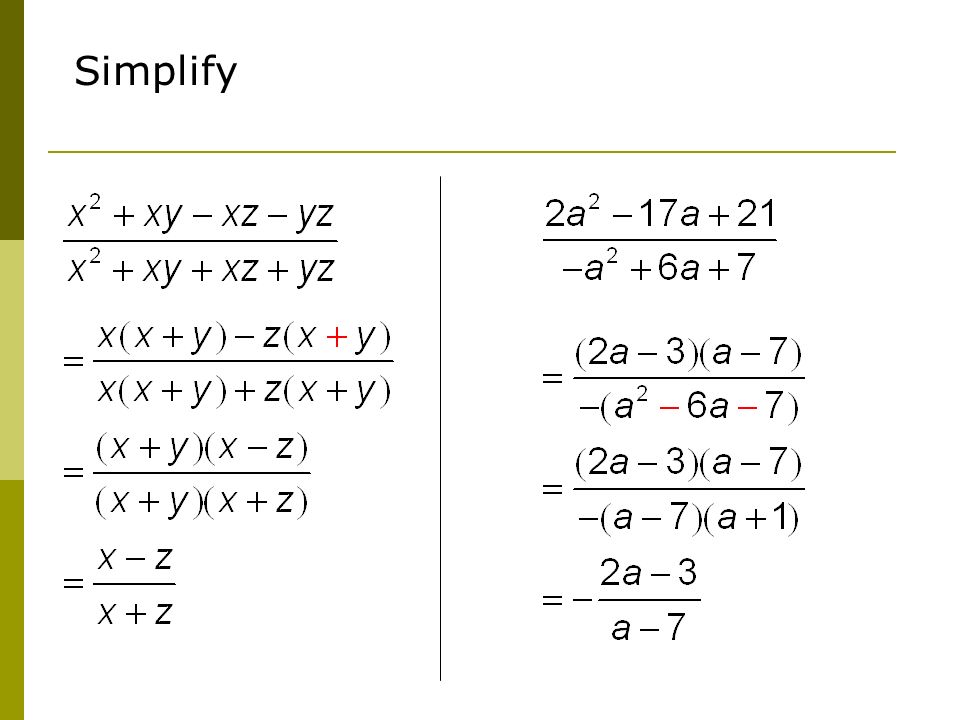
If calculus is the study of change, then algebraic manipulation is the grammar that makes that study possible. It’s the bridge between a real-world problem—like calculating drug absorption rates or understanding cardiac output—and the elegant equations that describe it. For nursing students venturing into advanced physiology or pharmacology, mastering these foundational skills isn’t just about passing math; it’s about unlocking a deeper understanding of how the body works.
What Is Algebraic Manipulation?
At its core, algebraic manipulation is the art of rearranging equations to isolate a specific variable or simplify a complex expression. Think of it as solving a puzzle: you have all the pieces, but you need to move them strategically to reveal the picture. The rules are logical and consistent, built on the principle that whatever you do to one side of an equation, you must do to the other.
Essential Techniques with Examples
1. Isolating a Variable
This is the most fundamental skill. Suppose you’re studying a drug concentration model and encounter the equation:
C(t)=DV×e−ktC(t)=VD×e−kt
If you need to solve for the volume of distribution VV, you’ll rearrange:
V=DC(t)×e−ktV=C(t)×e−ktD
The key is working backwards: identify what’s attached to your target variable and systematically undo those operations.
2. Simplifying Complex Fractions
In pharmacokinetics, you’ll often encounter fractions within fractions. Consider:
1t+1V1DD1t1+V1
Simplifying requires finding common denominators and understanding that dividing by a fraction means multiplying by its reciprocal—a skill essential for calculating infusion rates.
3. Factoring and Expanding
When analyzing rate equations, factoring reveals hidden relationships. For example:
x2+5x+6=(x+2)(x+3)x2+5x+6=(x+2)(x+3)
This seemingly simple transformation can unlock solutions to differential equations modeling everything from population dynamics to tumor growth.
4. Working with Exponents and Logarithms
Since many biological processes follow exponential patterns, manipulating expressions with exponents and natural logs is crucial:
ln(ekt)=ktln(ekt)=kt
This relationship underpins calculations of half-life, bacterial growth rates, and drug elimination.
Why This Matters in Nursing
Calculus appears in nursing curricula more than you might expect. Hemodynamic formulas use rates of change. Pharmacokinetic models rely on differential equations. Research articles present statistical models requiring interpretation. Without comfort with algebraic manipulation, these critical concepts remain locked behind a door of symbols.
When you can fluently rearrange an equation, you move from memorizing formulas to truly understanding the relationships they describe. You begin to see how changing one variable—like drug dose or infusion time—ripples through the entire system.
Navigating the Learning Curve
We understand the reality of nursing education. Your days are filled with clinical skills, patient interactions, and the relentless pace of healthcare environments. Finding quiet time to wrestle with algebraic concepts can feel impossible—yet these skills directly impact your ability to excel in pharmacology, pathophysiology, and research courses.
This is where USWritersPro bridges the gap. Our team includes mathematics and science experts who understand the unique context of nursing education. We don’t just provide answers; we offer clear, step-by-step explanations that build your understanding while meeting assignment deadlines. Whether you’re grappling with a complex calculus problem, analyzing research data, or preparing for a challenging exam, we’re here to support your success.
Ready to transform algebraic confusion into clinical confidence?
Contact USWritersPro Today for personalized academic support tailored to the demanding world of nursing education. Your journey to mastering the language of healthcare starts here.