

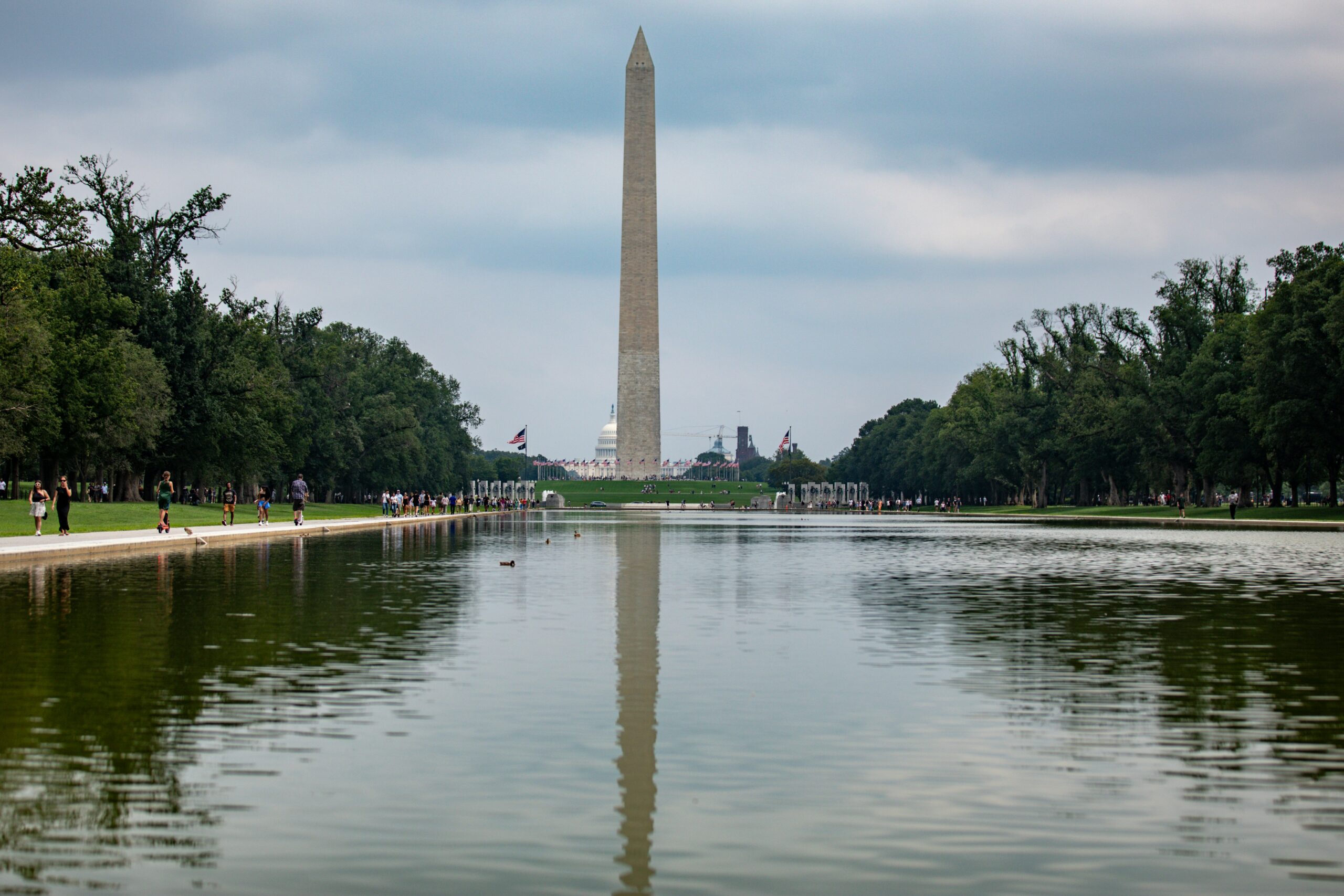
Forget the current 2026 World cup for a minute because just days after a $14 million renovation, the Lincoln Memorial Reflecting Pool turned a vivid shade of green. The culprit? Chemistry. Understanding why this happened—and how hydrogen peroxide is being used to fix it—offers a fascinating real-world lesson in environmental chemistry that nursing and pre-health students can appreciate.
Why Did the Pool Turn Green?
Algae blooms occur when three conditions align: warm temperatures, stagnant water, and abundant nutrients. The Reflecting Pool checks every box. It’s shallow, slow-moving, and fed by the Tidal Basin—a body of water already rich in phosphates.
Phosphates are a primary nutrient for algae. CNN tested the pool’s water and found phosphate levels “far higher than what is recommended to keep algae at bay”. When phosphate fertilizers enter the water, algae seize the opportunity.
As one algae specialist explained: “If there’s already some phosphate fertilizer in the water, that’s really opportunistic, especially for the blue-green algae that can fix nitrogen, so they are having a field day out here”.
The renovation may have worsened the problem. A darker blue bottom paint absorbs more heat, raising water temperature—which accelerates algae growth. Additionally, residual algae remained in pipes and was reintroduced when the pool was refilled.
The Hydrogen Peroxide Solution
To combat the bloom, National Park Service crews began pouring hydrogen peroxide (H₂O₂) into the pool.
Hydrogen peroxide works as a powerful oxidizing agent. When added to water, it breaks down algae cells by generating highly reactive free radicals—oxygen-containing molecules that damage cellular structures. This process effectively “bleaches” the algae, killing it and making it colorless.
The Department of Interior describes hydrogen peroxide as a “milder treatment than chlorine,” commonly used in natural swimming pools and spas where wildlife is present. Unlike chlorine, which can leave harmful residues, hydrogen peroxide breaks down into oxygen and water—making it environmentally safer.
The treatment is being paired with nanobubble ozone technology. Nanobubbles—tiny gas bubbles filled with ozone—react with water to form oxidizing agents that bind to and break down algae, creating “clean, oxygenated water”.
The Challenge of Scale
Treating the pool is no small feat. It holds approximately 6.5 million gallons of water—more than 10 Olympic-sized swimming pools. Manual pouring of hydrogen peroxide from the edge may not achieve sufficient concentration across such a vast volume.
Additionally, the treatment is temporary. Hydrogen peroxide breaks down rapidly into oxygen and water, meaning it must be reapplied regularly.
A Lesson in Applied Chemistry
This real-world story demonstrates how chemical principles directly impact environmental management—a concept nursing students encounter in pharmacology, physiology, and research contexts.
Ready to master chemistry concepts for your nursing prerequisites? At USWritersPro, we’ve helped countless students grasp the chemistry behind real-world applications. From balancing equations to understanding oxidation-reduction reactions, our chemistry specialists provide tutoring, research assistance, and assignment support tailored to healthcare education.
Contact USWritersPro Today for expert assistance with chemistry, biology, and all your STEM coursework. Let us help you turn confusion into confidence.