

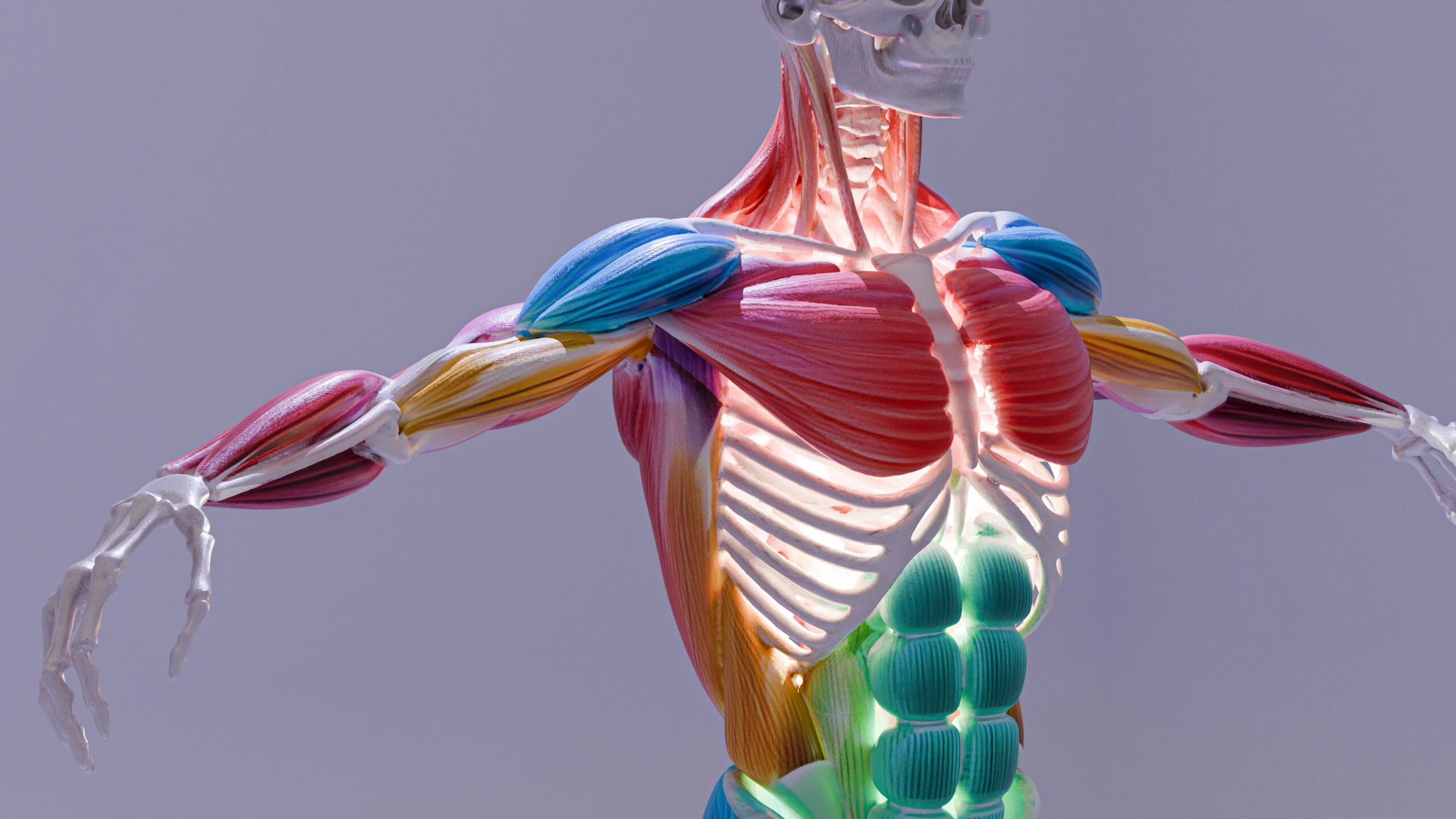
You’ve memorized all 206 bones. You can recite the origins and insertions of every major muscle. You’ve flipped through hundreds of flashcards until your eyes blurred. Then the exam arrives—and instead of asking you to label a diagram, it asks: “Explain how an action potential triggers muscle contraction.”
Your mind goes blank. The flashcards didn’t cover this. The textbook chapters felt like separate islands. And suddenly, all those hours of memorization feel worthless.
Welcome to the Memorization Trap—the single most common reason students struggle in Anatomy & Physiology. The good news? Escaping it is entirely possible.
The Pitfall: Why Brute-Force Memorization Fails
In high school, memorization often worked. You could cram facts the night before, regurgitate them on a test, and forget them by the weekend.
College-level A&P doesn’t work that way. Lecture exams are cumulative and conceptual. They don’t ask what—they ask how and why. They connect systems: How does the respiratory system support cellular metabolism? How does the nervous system regulate cardiac output?
Why memorization fails:
Isolated facts don’t transfer. Knowing the name of a muscle doesn’t mean you understand its function in movement.
Cumulative exams demand integration. Midterms and finals test relationships between systems, not isolated definitions.
Lab practicals test spatial and functional understanding. Blanking on a mechanism because you only memorized a label is a classic trap.
The Solution: Systems Thinking
The antidote to the Memorization Trap is systems thinking—understanding how structures connect to their functions and to the broader systems of the body.
The core principle: Form follows function. Every anatomical structure exists because it serves a physiological purpose.
Examples:
Why are alveoli so small and numerous? Because their collective surface area maximizes gas exchange.
Why do cardiac muscle cells have intercalated discs? Because electrical signals must pass rapidly between cells for synchronized contraction.
Why are kidney tubules convoluted? Because the twists increase surface area for reabsorption.
When you understand the why, the what becomes memorable. Structure and function become two sides of the same coin—and exam questions stop feeling like curveballs.
Actionable Study Hacks
1. Active Recall (Not Passive Review)
Active recall means testing yourself, not just re-reading. Instead of highlighting the textbook, close it and ask:
“Can I explain the sliding filament theory out loud?”
“Can I draw the pathway of blood through the heart from memory?”
Why it works: Retrieval strengthens memory. Re-reading creates familiarity, not mastery.
2. Draw Pathways by Hand
Drawing forces your brain to organize information spatially and causally. Create hand-drawn diagrams of:
The steps of an action potential
The cardiac cycle
The nephron’s filtration process
Pro tip: Draw the same pathway three times from scratch on different days. Each repetition reveals gaps.
3. Use Clinical Case Studies
Case studies bridge structure and function in a meaningful context. For example:
Case: A patient presents with muscle weakness and fatigue. Blood tests reveal low calcium levels. Why? Because calcium is essential for muscle contraction—it binds to troponin, moving tropomyosin and exposing binding sites on actin. Low calcium means weaker contractions.
Why it works: Stories are stickier than facts. Clinical cases give your brain a narrative to anchor concepts.
4. Teach the Material
Use the Feynman Technique: explain a concept out loud to an empty room. If you stumble, you’ve found a gap. Return to the material, then explain again.
When to Seek Support
If you’re struggling to bridge the gap between memorization and conceptual mastery, you don’t have to figure it out alone. At USWritersPro, we’ve helped countless nursing and pre-health students master A&P by focusing on systems thinking, active recall, and clinical application.
We provide:
Personalized tutoring for A&P lecture and lab.
Study strategy coaching.
Assignment assistance for case studies and research papers.
Exam preparation focused on understanding, not just memorization.
Ready to escape the Memorization Trap and master A&P with confidence?
Contact USWritersPro Today for expert tutoring and academic support tailored to your needs. Stop memorizing. Start understanding. And watch your grades—and your confidence—soar.